
Piglet Teeth Cutting: Ensuring Healthy Piglets and Farm Productivity
Piglet Teeth Cutting: Ensuring Healthy Piglets and Farm Productivity
Introduction: The Importance of Piglet Teeth Management
Piglet teeth cutting, also known as piglet teeth clipping or grinding, is a common practice in pig farming aimed at promoting the health of both piglets and sows. Newborn piglets are born with sharp deciduous teeth that can injure the sow’s udder during nursing or cause harm to littermates. By managing these teeth carefully, farmers can reduce injuries, improve piglet survival rates, and enhance overall herd welfare.
Why Piglet Teeth Cutting is Necessary
Newborn piglets have eight sharp teeth on their upper jaw and eight on the lower jaw, often referred to as needle teeth. These teeth can lead to several issues if left unmanaged:
- Injury to the sow’s teats: Painful wounds may reduce milk production.
- Injury to littermates: Piglets may bite each other during feeding or play.
- Increased risk of infection: Cuts and wounds caused by sharp teeth can become infected, affecting piglet health.
By carefully clipping or grinding these teeth, farmers can prevent injuries and ensure a smoother start to life for the litter.
The Procedure: Safe Teeth Cutting
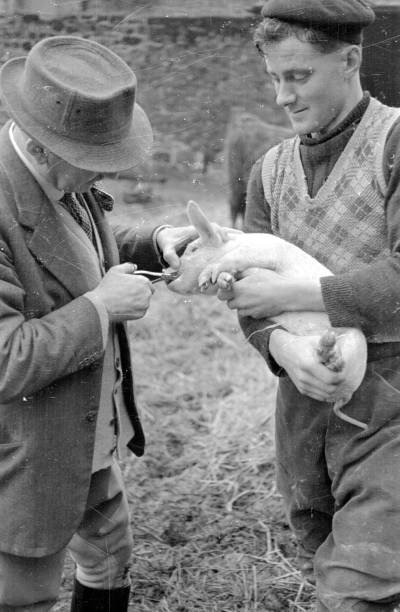
Piglet teeth cutting should be performed carefully and hygienically to minimize stress and prevent infection. The process involves:
- Restraint: Gently holding the piglet to avoid injury during the procedure.
- Clipping or grinding: Using specialized tools designed for piglets, the sharp tips of the teeth are trimmed to a safe length.
- Monitoring: Ensuring no excessive bleeding occurs and that the piglet is unharmed.
Timing is important; the procedure is typically performed within the first few days after birth, when the piglets are small and their teeth are easily accessible.
Benefits of Teeth Cutting for Piglets and Sows
Proper piglet teeth management provides several advantages:
- Reduces injuries to the sow’s teats, maintaining milk production.
- Minimizes aggression and biting among littermates, reducing stress.
- Prevents infections caused by cuts, supporting healthier piglets.
- Contributes to better growth rates and overall productivity on the farm.
Considerations and Welfare
While piglet teeth cutting is beneficial, it should always be performed following animal welfare guidelines. Farmers are encouraged to receive proper training and use the correct equipment to reduce stress and discomfort for piglets. Alternatives such as selective breeding and providing enriched environments can also help reduce the need for teeth cutting in the long term.
Conclusion: Promoting Healthy Piglets and Herd Welfare
Piglet teeth cutting is a practical management practice that ensures both piglets and sows remain healthy and productive. By performing dr. daniels dentist the procedure safely and responsibly, farmers can reduce injuries, prevent infections, and promote overall welfare, ultimately supporting a thriving and productive pig farm.

