
The Allure of the Open Kitchen: A Recipe for Restaurant Success
The Allure of the Open Kitchen: A Recipe for Restaurant Success
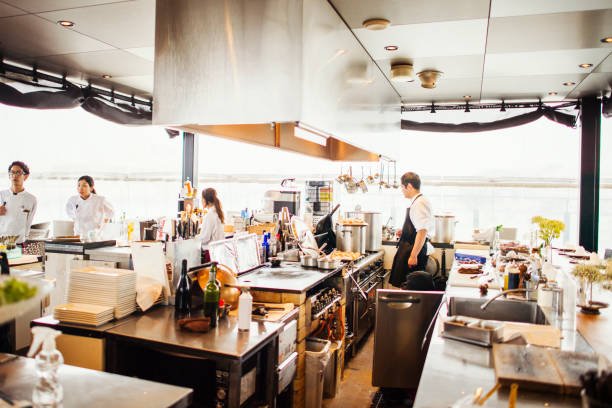
In the ever-evolving world of gastronomy, a significant shift has occurred, moving the culinary action from the hidden back-of-house to the front and center of the dining experience. The open kitchen concept, as captured in this image of a busy, modern commercial kitchen, has become a defining trend in contemporary restaurant design. This design choice is not merely an aesthetic preference but a strategic decision that offers substantial benefits for both diners and staff, redefining transparency and entertainment in the hospitality industry.
A Feast for the Senses and the Mind
For diners, the open kitchen transforms a simple meal into an immersive, multisensory event. The sights of professional chefs meticulously crafting dishes, the enticing sounds of sizzling pans, and the aromas of fresh ingredients all work together to build anticipation and enhance the overall experience. This “culinary theatre” capitalizes on the popularity of cooking shows and celebrity chefs, engaging guests who appreciate the artistry of food preparation.
Furthermore, an open kitchen fosters trust and transparency. Guests can visually verify the cleanliness of the operation and the freshness of the ingredients used, which is particularly valuable to health-conscious patrons. This openness assures customers that the establishment has nothing to hide, building a strong, trustworthy brand identity.
Enhancing Staff Performance and Efficiency
The benefits extend behind the counter as well. The high visibility motivates kitchen staff to maintain impeccable standards of hygiene, organization, and professionalism. This pressure for accountability can lead to consistently high performance and a reduction in mistakes.
From an operational standpoint, well-designed open kitchens, often featuring island or assembly-line layouts, can improve workflow and communication between the front and back of the house. Without physical walls blocking communication, service can be smoother and more efficient. Strategic design elements, such as ergonomic workstations and ample task lighting, also contribute to staff comfort and productivity.
Design Challenges and Considerations
While the rewards are significant, implementing an open kitchen requires careful planning. Restaurants must invest in high-capacity ventilation systems to manage odors and smoke, as well as sound-absorbing materials to mitigate the inherent noise of a busy kitchen, ensuring a comfortable ambiance for all guests.
Ultimately, the image provided is an excellent example of this modern restaurant trend in action, likely a stock photo used to illustrate the concepts of transparency and efficiency in a high-end or busy restaurant setting, with https://thenewyorkerdeli.com/ results suggesting a potential location in Japan. The movement toward open kitchens reflects a broader consumer desire for authenticity, connection, and an engaging dining narrative that goes beyond the plate.

